The 1976 Guatemala Earthquake: How It Shaped a Global Diaspora


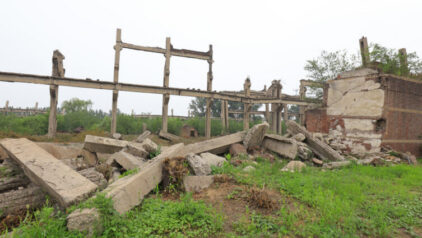
At 3:01 AM on February 4, 1976, life in Guatemala changed in an instant. A catastrophic magnitude 7.5 earthquake struck the central highlands along the Motagua Fault, unleashing about 90 seconds of violent shaking that would reshape families, communities, and migration patterns for decades. In the pre-dawn darkness, many adobe homes collapsed, burying families as they slept.

Key takeaways on the Guatemala earthquake
- A national catalyst: The 1976 magnitude 7.5 earthquake devastated communities, destroyed more than one million homes, and became a major driver behind the first large wave of modern Guatemalan emigration.
- Forced displacement: With rural infrastructure and traditional housing severely damaged, many survivors looked beyond Guatemala’s borders, turning a local disaster into a lasting demographic shift and diaspora.
- A global footprint: While the United States became the primary destination, the disaster also contributed to resilient Guatemalan communities across Mexico and parts of Central America.
- Reclaiming identity: Following these migration paths through digital records and oral histories can help descendants connect the events of 1976 to the transnational lives their families built afterward.
The immediate aftermath
More than 23,000 people died and around 76,000 were injured. The damage was widespread, leaving roughly one million people, about 1 in 6 Guatemalans at the time, without stable housing. Entire towns were reduced to rubble, roads and utilities were disrupted, and daily life was upended. Although the quake itself lasted less than two minutes, the impact echoed for decades, including a long-term migration shift as many families searched for stability elsewhere.
The great dislocation: a catalyst for migration
Before 1976, international emigration from Guatemala was more limited. The earthquake intensified existing pressures including poverty, inequality, and rising political violence, and it accelerated hard decisions for families in the worst-hit areas.
With homes destroyed and local economies shattered, many people faced a stark choice: remain amid severe shortages and slow rebuilding or leave to find work and shelter. Damage to agriculture and local businesses made recovery especially difficult in rural communities. What began as internal relocation, often toward Guatemala City or coastal areas, increasingly turned into cross-border migration as opportunities inside the country remained scarce. The earthquake did not only displace people in the moment. It changed the trajectory of an entire generation.
Destinations of hope: where Guatemalans rebuilt their lives
As Guatemalans decided to leave, migration patterns emerged based on geography, networks, and the availability of work.
The United States: the primary magnet
Many people who headed north focused on the United States, where jobs in agriculture, construction, and service industries were more accessible. Over time, Guatemalan communities grew in major cities such as Los Angeles, Houston, Chicago, Miami, and Washington, D.C., supported by relatives and community networks. Many historians and families view the 1976 disaster as one of the major earthquakes that drove immigration to the United States, marking the inception of a large-scale migration movement that would later accelerate during the civil war years.
Mexico: a neighboring haven and transit point
Mexico was a natural first destination for many Guatemalans because of proximity and long-standing cultural ties. Some communities, including Mayan families near the border, settled in southern states such as Chiapas and Quintana Roo. Others moved through Mexico as a transit route on the difficult journey toward the U.S. border.
Other destinations
Beyond the U.S. and Mexico, additional destinations emerged over time. Canada became an option for some through temporary agricultural labor programs. Within Central America, Belize also drew Guatemalan workers, and smaller numbers migrated to countries such as Honduras and Costa Rica in search of steadier income and safety.
From survival to research: how to trace these journeys today
If your relatives migrated during or after this period, you can often reconstruct the path they took by combining family stories with documents. Many families start by searching historical records from both the place of origin and the destination country, then comparing names, dates, and locations across documents to confirm identities.
A step-by-step guide to researching immigration records
Tracing the journeys of relatives who left home to build new lives can be deeply rewarding. While every story is unique, this process often follows a similar path.
Step 1: Start with what you know
Begin at home. Interview older relatives for names, approximate birth dates, hometowns, and stories about when and how the family moved. Review family papers, photographs, letters, and official documents such as birth, marriage, or death certificates. These details become the foundation of your search.
Step 2: Establish a timeline and location
Try to identify the approximate year of arrival and the first place your relatives lived in their new country. Even a narrow date range can help you locate the right record sets, and the first city or region of settlement can point you to local censuses, church registers, or community archives.
Step 3: Search digital genealogy collections with MyHeritage
Use MyHeritage to search records by name, place, and date range, and pay attention to matches that appear across multiple documents. Features like Record Matches and Smart Matches™ can help surface relevant people and records you may not have found manually, especially when names are misspelled or recorded differently over time.
Step 4: Check passenger lists and border crossings
With a name and estimated arrival window, focus on ship passenger lists (for sea arrivals) or land border crossing records (for arrivals via Mexico or Canada). These often include age, occupation, last residence, and sometimes the name of a relative already living in the destination country.
Step 5: Look for naturalization records
If your relative became a citizen, naturalization papers can be especially informative. Documents such as declarations and petitions often include birth details, arrival dates, ports of entry, and information about spouses and children. Depending on the country, these may be held by national archives, local courts, or regional record offices.
Step 6: Build a tree and attach what you find
As you confirm identities, add each person and source to your family tree so you can track relationships, resolve duplicates, and keep evidence organized. A well-sourced tree also makes it easier to share discoveries with relatives and preserve your family story for the next generation.
From rubble to resilience: reclaiming your family narrative
The 1976 earthquake was a defining tragedy for Guatemala, exposing deep vulnerabilities and causing immense loss. Yet out of the devastation emerged stories of resilience as families rebuilt their lives across borders. The diaspora communities that formed in the decades that followed stand as evidence of determination, adaptability, and the drive to create stability for future generations.
Uncover the stories of your ancestors
Every family’s history is shaped by larger events. If your relatives were affected by the earthquake and the migration that followed, combining oral history with documents can bring clarity to names, places, and timelines, and help you understand how your family’s past connects to the present.
FAQs about the Guatemala earthquake
What was the primary cause of the 1976 Guatemala earthquake?
The earthquake was caused by a major rupture along the Motagua Fault, a transform plate boundary that separates the North American and Caribbean plates. The shaking severely affected areas where many people lived in vulnerable adobe structures.
How did the earthquake impact international migration patterns?
The disaster forced large-scale displacement at a moment when economic and political pressures were already rising. With widespread housing loss and disrupted livelihoods, many survivors sought work and stability abroad, contributing to a significant increase in international migration.
Which regions of Guatemala were most affected by the disaster?
The heaviest damage was concentrated in the central highlands and areas surrounding Guatemala City. Rural villages with traditional adobe housing suffered extensive collapse. Communities in departments such as Chimaltenango were among those hit particularly hard.
Are there specific historical records for survivors of the earthquake?
There is no single comprehensive “survivor list,” but you can often find traces of the period through newspaper archives, relief organization materials, and government data from the late 1970s. These sources can help reconstruct conditions and family circumstances after the quake.
Where can I find immigration records for ancestors who moved after 1976?
Immigration records are commonly held by national archives and may also appear in large, digitized collections. Look for passenger manifests, visa-related documents, border crossings, and naturalization files from the late 1970s through the 1980s to identify origins, arrival dates, and family connections.
Yan Sandler is a passionate genealogy enthusiast specializing in Eastern European and Jewish heritage. He enjoys helping others uncover their roots, turning archival fragments into meaningful family stories for researchers worldwide.